
A better way to see. A better way to build.
Human Systems Architecture and the Lived System Method™ reveal what others miss so organizations and individuals can make better decisions, reduce unintended consequences, and create sustainable performance.
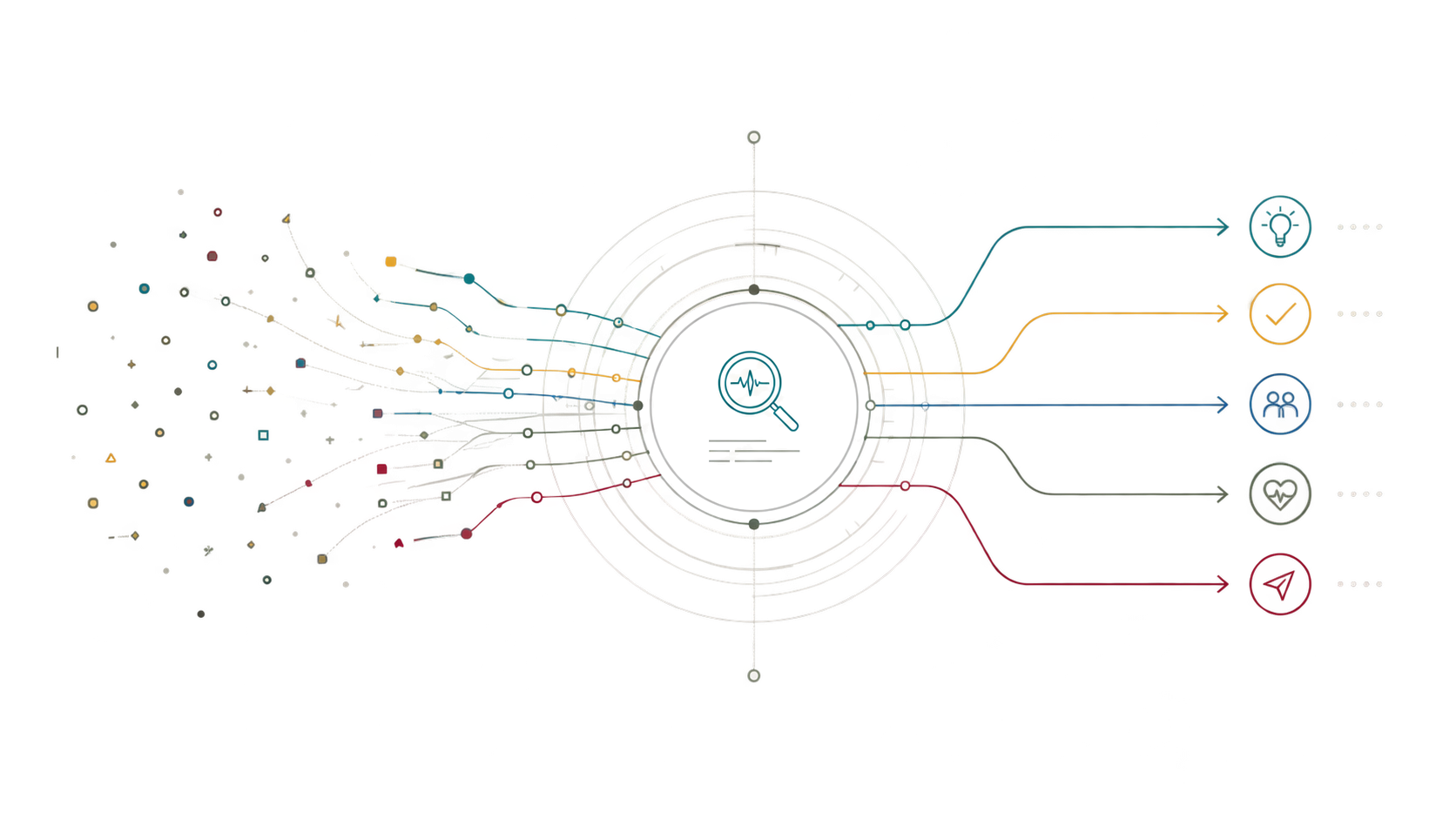
Human Systems Architecture
We look at the whole system: people, decisions, structures, environments, technology, data, governance, and how they interact over time.
Evidence becomes a decision. The decision becomes change that holds.
Human Systems Architecture is the shared operating model. Organizations use Human Systems Design™. Individuals use Human Systems Navigation™. Both move through the same decision discipline.
See reality. Establish the evidence. Define the real problem.
Make the decision. Build only what the evidence supports.
Make it hold through adoption, accountability, measurement, and refinement.
For organizations.
For individuals.
Human systems are shaped by behavior, emotion, motivation, context, and change.
Behavioral science helps JDQPS understand the human conditions beneath what people and organizations are experiencing. It strengthens how we interpret lived experience, resistance, stress, motivation, communication, trust, decision-making, and behavior in context.
That perspective supports clearer operating diagnosis, more responsible recommendations, stronger leadership insight, and solutions designed to work under real human conditions.
How we read behavioral evidence.
- Observed behavior
What happened, when it happened, and what the available record shows.
- Context
The roles, expectations, constraints, relationships, and conditions around it.
- Possible explanations
Hypotheses to examine against the record and alternative explanations.
- Supported conclusions
What the evidence supports, what remains uncertain, and what to examine next.
Behavior alone does not establish someone’s motivation, intent, mental state, or personality. Where the record is incomplete, the explanation remains a hypothesis.
Danielle Quinones
Behavioral Scientist | Licensed Practicing Counselor
Danielle brings counseling-informed expertise in behavior, motivation, trust, stress, communication, self-awareness, and change. At JDQPS, she applies that perspective to workplace evidence and operating decisions. Consulting and clinical care remain separate.
VIEW DANIELLE’S PROFILEEvery workplace has an intended system and a lived system.
The gap is where performance, risk, trust, and reality diverge.
The intended system
StrategyPoliciesOrg chartsFormal processConfigured systemsLeadership messagesRole descriptionsWhere performance, trust, risk, accountability, morale, and reality diverge.
The lived system
Real decisionsWorkaroundsHidden laborActual incentivesFelt experienceInformal authorityUnspoken fearLook beneath the plan
Workarounds, hidden labor and informal authority can hold together what a formal plan leaves unresolved.
Hidden work belongs in the design.
The hidden conditions diagnostic.
Understory™ turns human experience, system behavior, governance evidence, and operating data into a usable executive view.
Cross-system controls: legal, ethics, risk, privacy, and humanity are applied across every dimension.
Ten tests for whether a design is truly human-ready.
Every decision creates consequences. See the full picture before you choose.
Insight must survive implementation.
The 12 steps carry work from problem definition through ownership, requirements, risk, build, testing, adoption, stabilization, and operational handoff.
Transformation, Stability & Governance Lifecycle
A clear path from ambiguity to lasting change.
Diagnosis defines the real problem and evidence base. Transformation builds the required operating architecture or individual response. Sustain protects the value through adoption, accountability, measurement, and refinement.